What Is a Steel Platform? Applications, Benefits, and Design Considerations
Introduction
A steel platform is a fabricated structural system designed to provide safe and elevated access for personnel, equipment, and maintenance operations in industrial environments. Steel platforms are widely used in oil & gas facilities, power plants, mining operations, manufacturing plants, warehouses, and infrastructure projects.
Compared with concrete or temporary access structures, steel platforms offer greater flexibility, faster installation, and long-term durability, making them an essential component of modern industrial facilities.
What Is a Steel Platform?
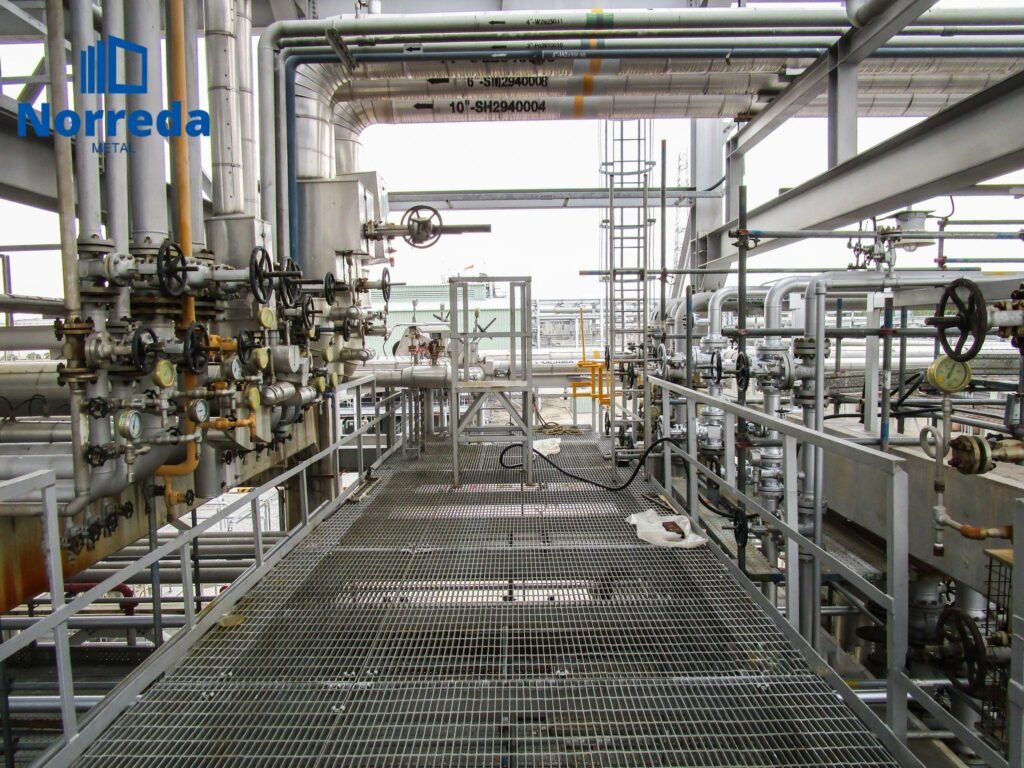
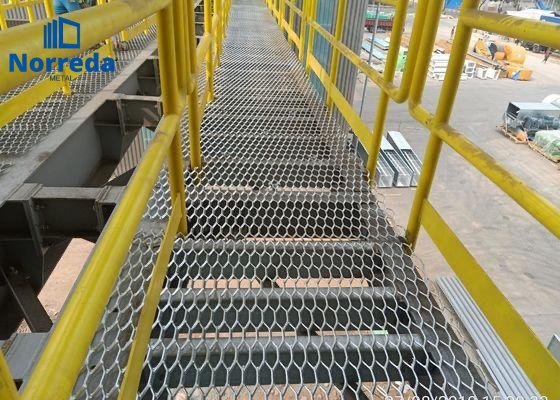
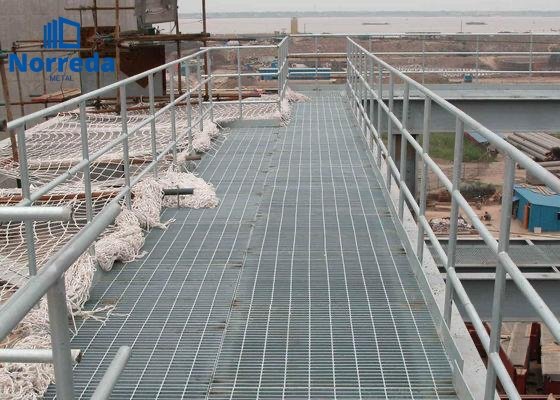
A steel platform is an elevated structure manufactured from steel components such as beams, columns, grating, stairways, handrails, and connection systems. It creates a safe working area above ground level and allows access to equipment, pipelines, machinery, and operating systems.
Typical steel platform systems include:
- Structural steel framework
- Steel grating flooring
- Staircases and ladders
- Handrails and guardrails
- Toe plates and safety accessories
- Connection and support components
Steel platforms can be supplied as modular systems or fully customized solutions according to project requirements.
Common Applications of Steel Platforms
Oil & Gas Facilities
Oil & Gas Facilities
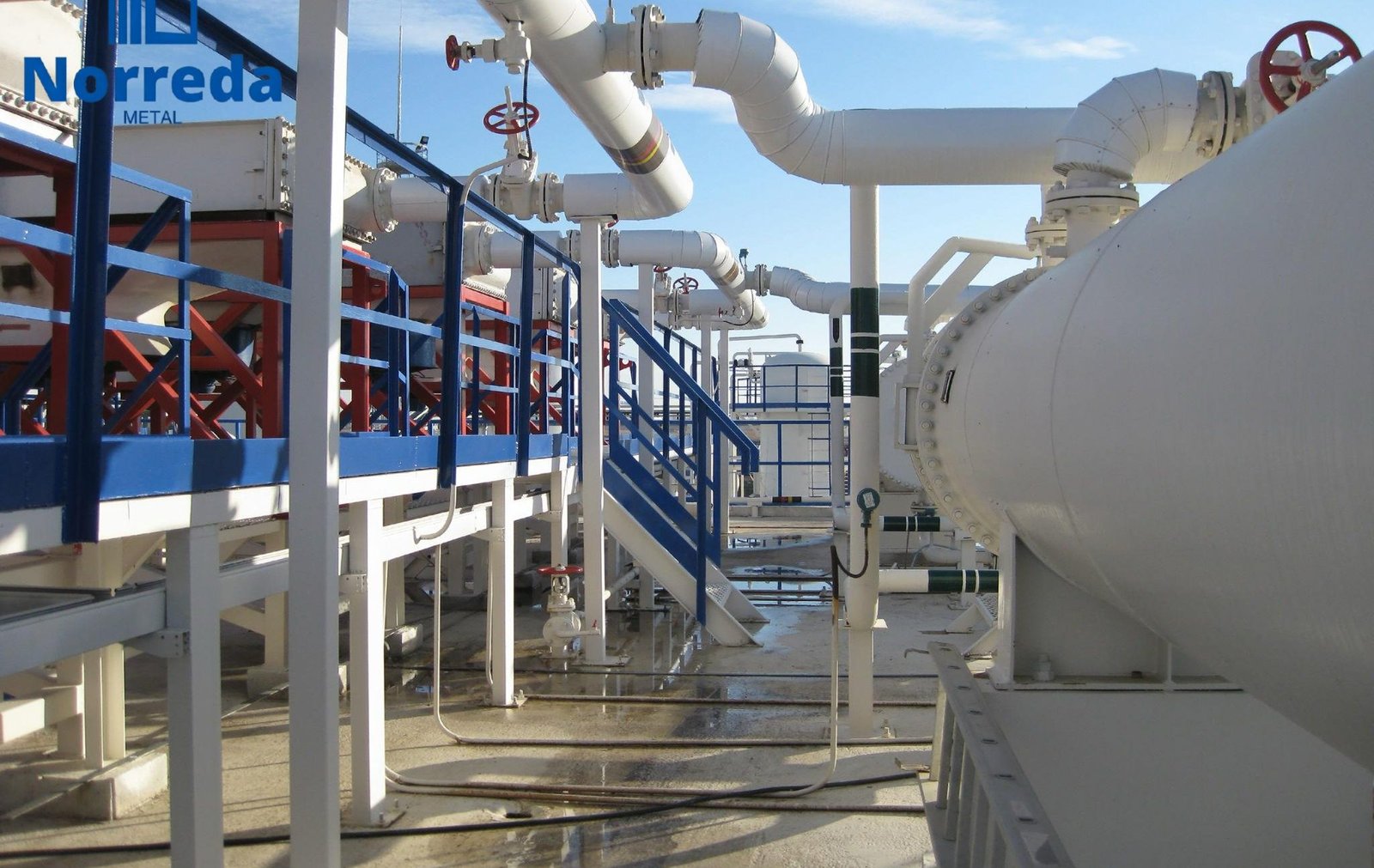
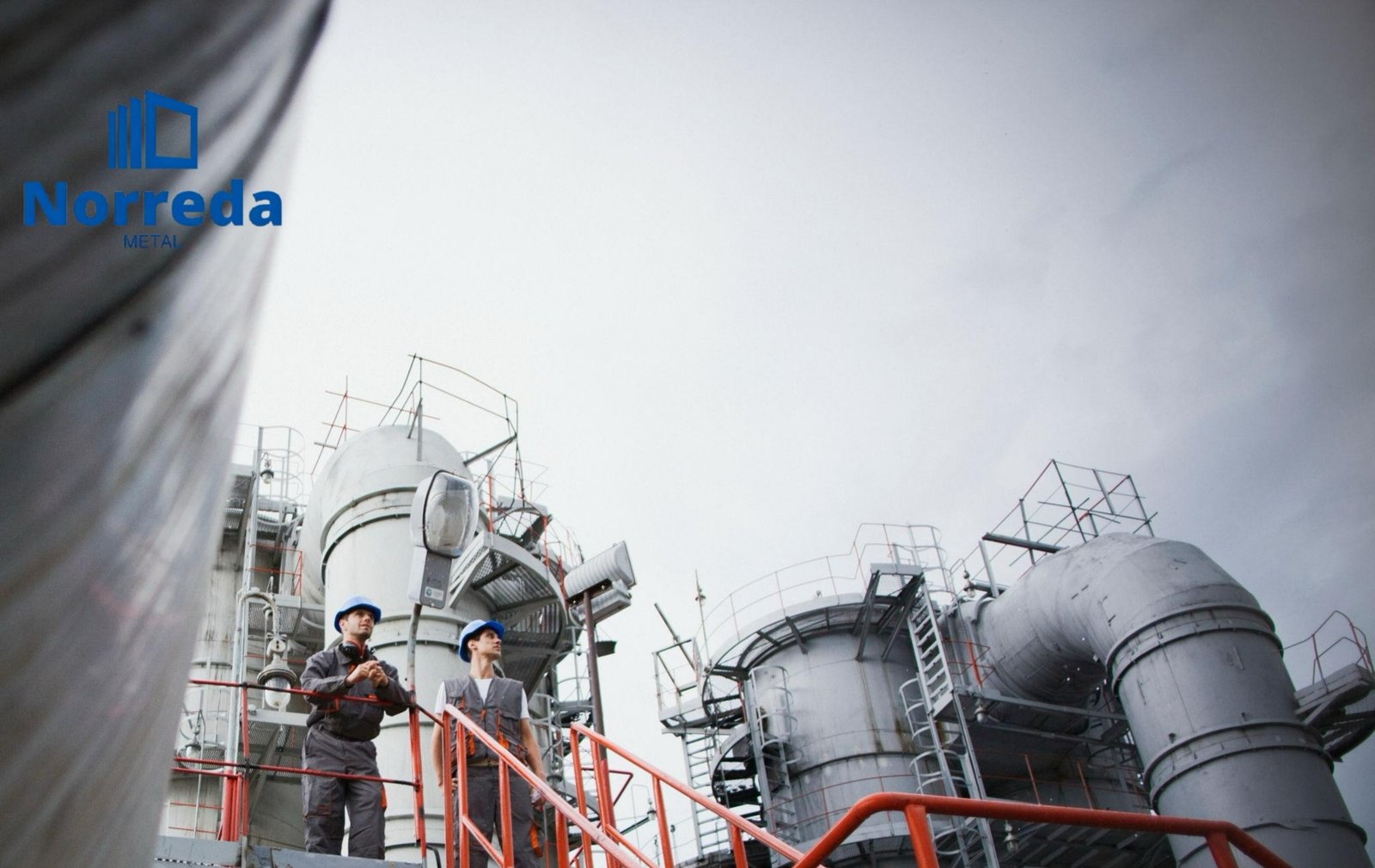
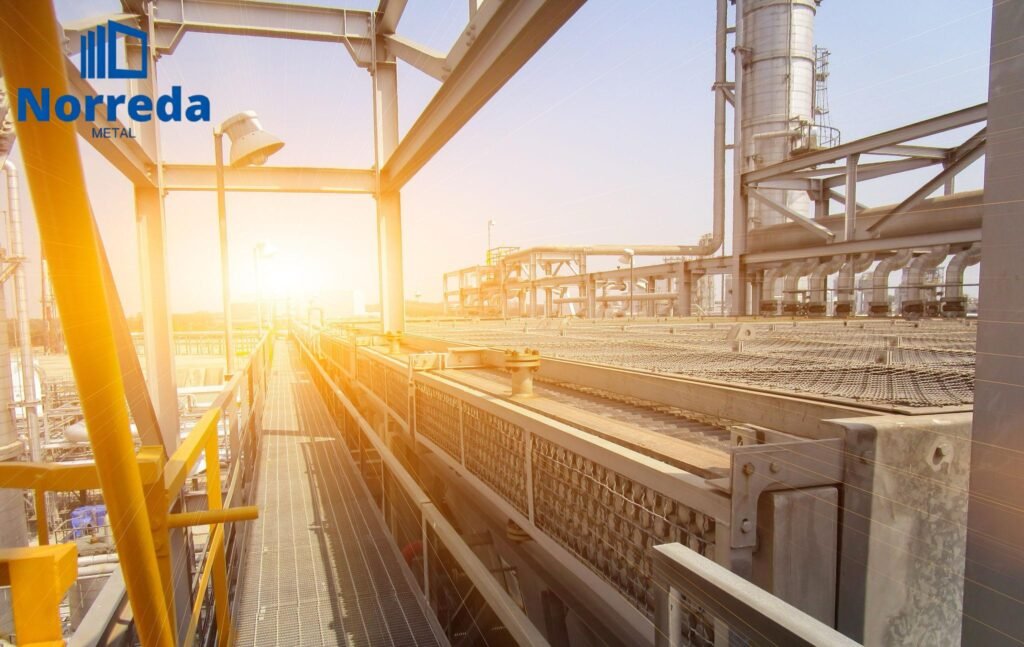
Steel platforms provide safe access to processing equipment, valves, pipelines, and maintenance areas in refineries, petrochemical plants, and offshore facilities.
Typical applications include:
- Pipe rack access platforms
- Equipment maintenance platforms
- Operator walkways
- Process plant access systems
Mining and Material Handling
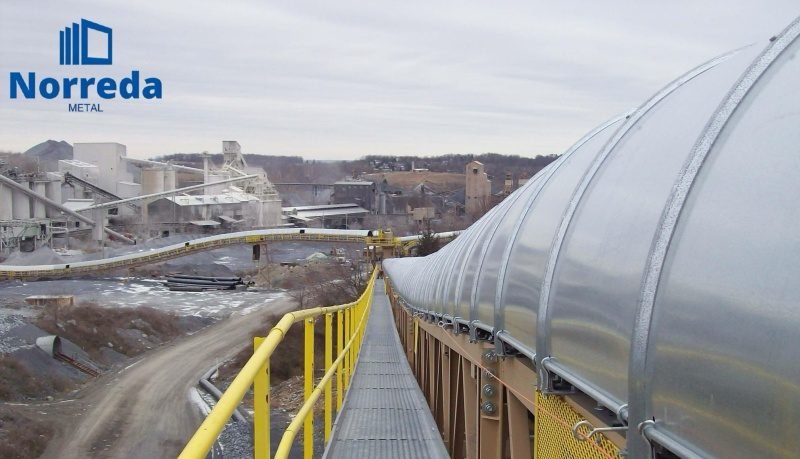
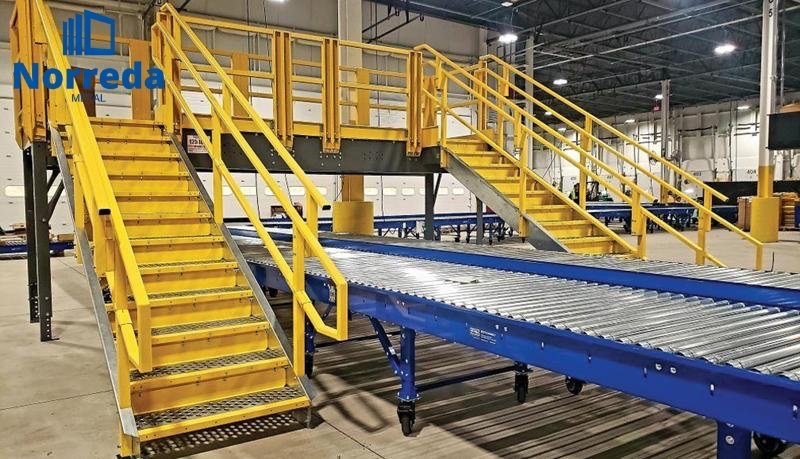
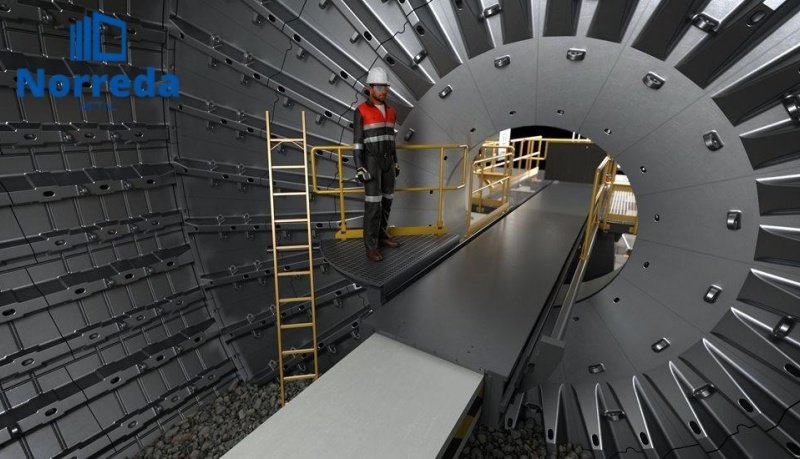
Mining operations often utilize steel platforms around crushers, conveyors, and processing equipment.
Benefits include:
- Improved worker safety
- Easier equipment maintenance
- Reduced downtime
Manufacturing Facilities
Factories and industrial plants use steel platforms to maximize available space and improve workflow efficiency.
Applications include:
- Mezzanine platforms
- Equipment support platforms
- Production access structures
Power Generation Plants
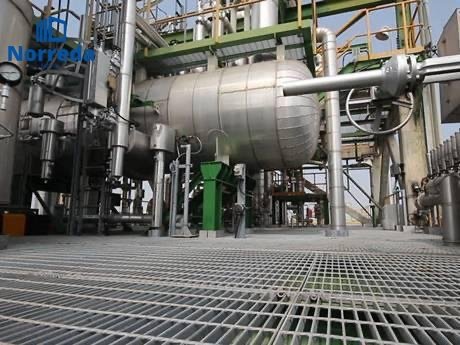
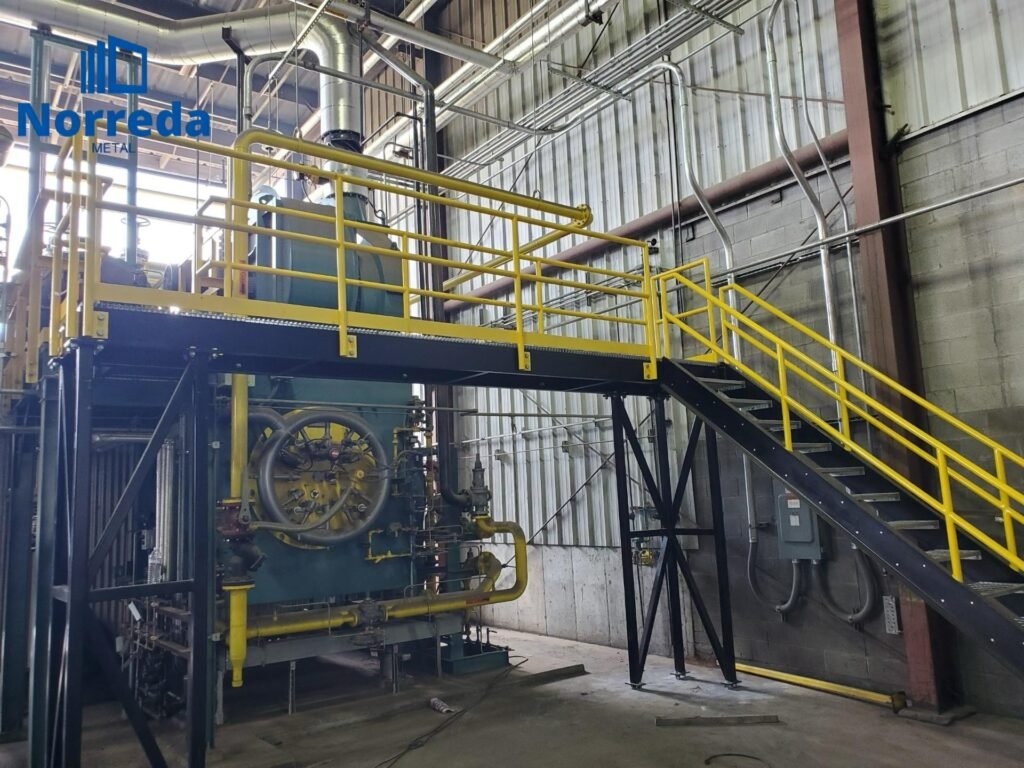
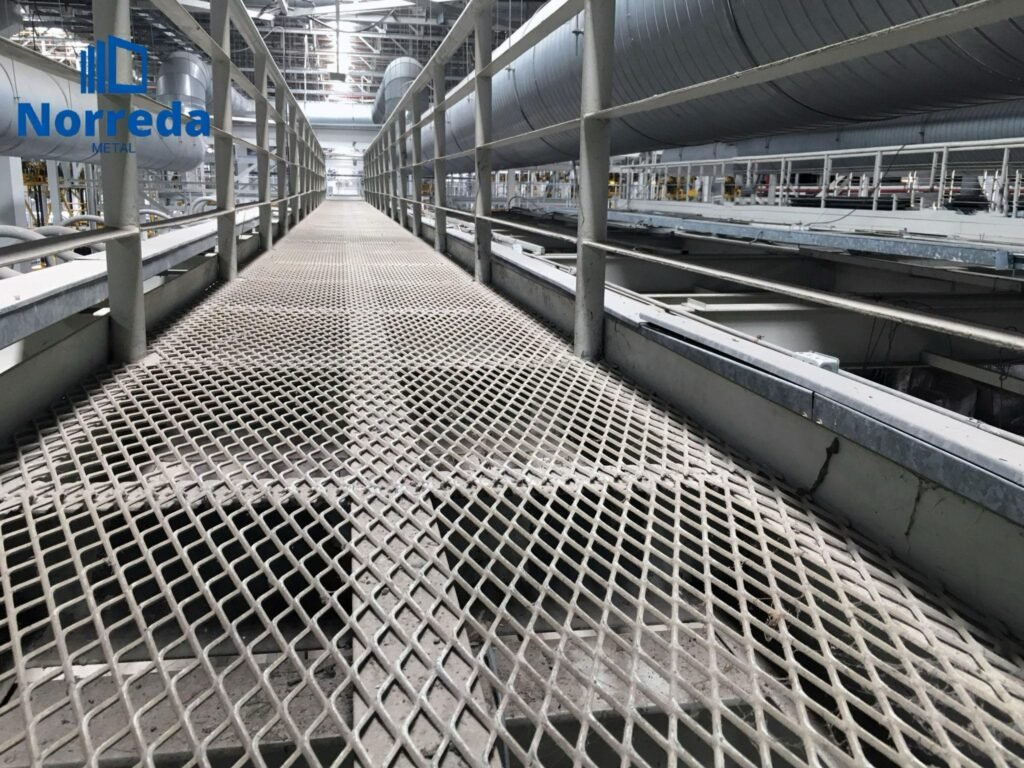
Power stations require elevated structures for equipment inspection and operational access.
Applications include:
- Turbine platforms
- Boiler access systems
- Cable routing platforms
- Maintenance walkways
Key Advantages of Steel Platforms
1. High Structural Strength
Steel provides excellent load-bearing capacity while maintaining a relatively lightweight structure. This allows platforms to support heavy equipment and large personnel loads.
2. Fast Installation
Prefabricated steel components can be manufactured off-site and assembled quickly at the project location, reducing construction schedules.
3. Design Flexibility
Steel platforms can be customized for:
- Different elevations
- Load requirements
- Equipment layouts
- Future expansion needs
4. Long Service Life
With appropriate surface treatment such as hot-dip galvanizing or protective coatings, steel platforms can perform reliably for decades in harsh industrial environments.
5. Enhanced Safety
Modern steel platforms incorporate:
- Anti-slip grating
- Handrails
- Guardrails
- Toe boards
- Safe access stair systems
These features help improve workplace safety and regulatory compliance.
Steel Platform Materials and Surface Treatments
The most commonly used materials include:
- Carbon Steel
- Galvanized Steel
- Stainless Steel
Popular surface treatments include:
- Hot Dip Galvanizing
- Powder Coating
- Industrial Painting Systems
The selection depends on environmental conditions, corrosion exposure, and project specifications.
Steel Platform vs Concrete Platform
| Feature | Steel Platform | Concrete Platform |
|---|---|---|
| Installation Speed | Fast | Slow |
| Weight | Lightweight | Heavy |
| Flexibility | High | Limited |
| Expansion | Easy | Difficult |
| Maintenance | Simple | Moderate |
| Industrial Applications | Excellent | Limited |
For industrial access applications, steel platforms are often the preferred solution due to their adaptability and installation efficiency.
Important Design Considerations
Before selecting a steel platform system, project engineers typically evaluate:
- Platform dimensions
- Live load requirements
- Equipment loads
- Environmental conditions
- Corrosion protection requirements
- Safety standards
- Access requirements
A properly engineered platform ensures both operational efficiency and long-term reliability.
Why Choose a Custom Steel Platform?
Every industrial project has unique requirements. Custom steel platforms allow engineers to optimize:
- Space utilization
- Access efficiency
- Worker safety
- Structural performance
A customized solution can significantly reduce installation challenges while supporting future operational needs.
Conclusion
Steel platforms play a critical role in industrial access, maintenance, and operational safety. Their strength, flexibility, durability, and fast installation make them one of the most widely used structural solutions across oil & gas, power generation, mining, and manufacturing industries.
Whether for equipment access, maintenance operations, or elevated working areas, a properly designed steel platform system can improve safety, productivity, and long-term project performance.
Looking for a reliable steel platform manufacturer and supplier? Norreda Metal provides custom steel platforms, access systems, grating solutions, stair systems, and structural support components for industrial projects worldwide.